Saturday, October 27, 2018

Sri Arudra Kapaleeswara Temple - Erode

Sri Arudra Kapaleeswara Temple - Erode

                                                      Sri Arudra Kapaleeswara Swamy


                                                                Main Gopuram

Sri Arudra Kapaleeswara Temple is just 2kms from Erode Bus stand is in the heart of Erode city and near Pannerselvam Park and market and about 3 Km from Railway station and by the side of Kasturi Ranganatha Swamy Temple and is magnificently Built may be around the time in 1100 AD and subsequently later Renovated by Vijayanagara kingdom Rulers.


                                                          Entrance to temple


The then Kongu Cholas who ruled this region had the name Karikala during the year 1004-1280 AD. It is believed that one such Karikala could have built this temple. One of the Karikala, with the help of one Samaya Mudali built 36 Shiva temples on the banks of Cauvery, according to one story. 


                                                         another view of Gopuram

                                                               Sri Durga devi  

The main tower (Rajagopuram) is an outstanding example of architectural beauty.
Historical Name of the Temple is : Thiru Thondeeswaramis the Main Presiding Deity - Moolavar Arudra Kapaleeswarar also known as Thondeeswarar and Amman is Varunambikai


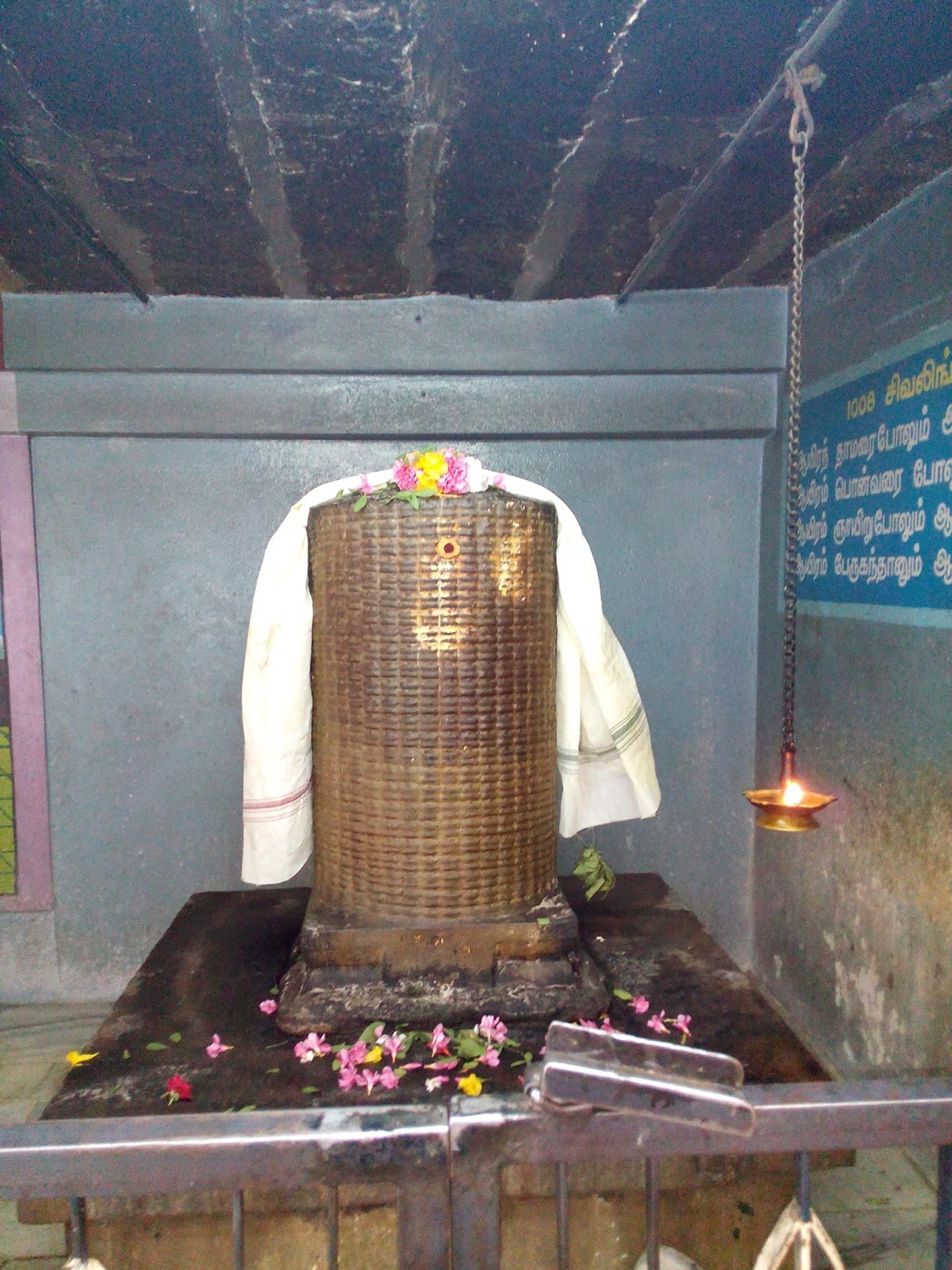
                                                           Sahasra Linga (1008)


                                                          Sahasra Linga Mantra

108 Shivalingas are carved on a single Linga in the temple. This is a very pleasing darshan to the devotees. In the Kottai division of Erode, Lord Thondeswara graces the devotees. 

                                                                   Vanni Tree

                                                           sri Vinayaka Sannadhi

Sun God graces in the front hall (Mandap) with His consorts. Lord Kanni Vinayaka graces in the Southwest corner while the holy tree Vanni is at the west.


                                                               64 Nayanmars

                                                           another picture

The temple has Pollapillayar with 64 Nayanmars in a sitting position. Lord Dakshinamurthy is near the Nayanmars. After passing through the Saptha Kannikas (Seven maidens) on the west, devotees can have the darshan of the paintings of Five Shivalingas representing five philosophies.

                                                           sri Jala Vinayaka swamy


                                                                  another Picture

On the way to the main temple one will pass through this Jala Vinayaka a small temple worth a visit.


                                                                      Nallavar

                                                             Gaja Samkara Murthy

Annadhana Thittam was also launched in this temple from 06.11.2005. Daily minimum 50 devotees are eating very tasty Prasadams at 12.15 Noon.

                                                             5 kala Poojas

                                                                         Board

                                                         Soma Sunderar Sannidi

Other Names of the Deity are Sri Thondeeswarar, Sri  Cheddeswarar, Sri Chozheeswarar and Sri Arudra Kapaleeswarar.
Name of the Godesses : Sri Varunambikai.


                                                                  side Passage


                                                                        Pic-1

                                                                        Pic-2

The temple is facing east with a 5 tier Rajagopuram.  Dwajasthambam, Nandhi and Palipedam are at the entrance of the maha mandapam.

                                                                        Pic-3

                                                                         Pic-4

                                                                         Pic-5

In the outer prakaram sannadhi for Suryan with his consorts Sayadevi and Usha Devi, Moola Vinayagar, Gajasamkara murthy, sthala viruksham with Vinayagar and Amman, Kala Bairavar, Chandran, 63var, Saptha mathakkal and Chandran.

                                                                      Pic-6

                                                                    Pic-7

                                                                        Pic-8

On the facia of the mahamandapam sudhai sirpams/ reliefs of Sthala puranam and sthala puranam of Avinashi Shiva temple. Kali and Oorthuva thandava murthy are worth to see on the mahamandapam pillars.

                                                                      Pic-9 


                                                                       Pic-10

                                                                      Pic-11

In the inner prakaram, Durgai, Naalvar, 63var, Sri Valli Devasena Subramaniyar, Sandikeswarar and Navagrahas.

                                                                        Pic-12

                                                                        Pic-13

                                                                     Pic-14

At the entrance of the sanctum it was learnt there was only one Dwarapalaka and latter the second dwarapalaka was added.

                                                                          Pic-15

                                                                      Pic-16 


                                                                       Pic-17

In koshtam Vinayakar, Dhakshinamurthy, Brahma and Vishnu Durgai.Moolavar is little small, Syambu and has 108 lingas carved on it. It was believed that moolavar was installed by Sage Durvasa in a lying position ( Palli konda Position ).

                                                                      Pic-18

                                                                        Pic-19

The sun rays falls on moolavar on Tamil Masi month 23rd to 27th.
It was believed ( hear say ) that the temple was built during the year 1004 -1280, Kongu Chozhas period and the King name was Karikalan.  Also with the help of  Samayr Mudali built 36 Shiva temples on the banks of Cauvery. From the inscriptions available at the base of the sanctum wall, the temple is called as Thondeeswaram and the Lord Shiva as Thondeeswarar, Thondeeswaram Udaya Mahadeva, Thondeeswaram Udaya Thambiranar, Thondeeswaram Udaya Pidarar, Nayanar, Thondargal Nayanar, etc.


                                                                        Pic-20


                                                                    Pic-21

The Five Kaala Pooja are conducted according to the Kaarana Nagama Pooja system.

Temple Opening Time

Morning - 5.30 A.M. To 12.30 P.M.

Evening - 4.30 P.M. To 8.30 P.M.

Pooja Timings
   
Ushakkala Pooja (Sun Rise Pooj   

06:00 A.M

Kaalasandhi Pooja   

07:00 A.M

Uchikkala Poojaa (Noon Pooja)   

12:00 Noon

Saayaraksha Pooja (Sunset Pooja)   

06:00 P.M

Ardhajama Pooja (Night Pooja)   

08:00 P.M


A wonderful temple and worth visiting if you are in Erode a Must and get Lord Kapaliswarar and Devi sri Varunambikai Blessings and Ashirvadam and also Visit to Brahmin's Hotel near to the temple and enjoy Excellent mouth watering South Indian Tasty Dishes.


                                                      ---------- Hari Om ---------


Thursday, September 20, 2018

Mahalaya Pitru paksha

Mahalaya Pitru paksha

 
Mahalaya Paksha – Sarva Pitru’s from 25.09.18 to 08.10.18

" ಮಹಾಲಯ ಪಕ್ಷಾರಂಭ "

(
ದಿನಾಂಕ : 25.09.18 - 08.10.18 ವರೆಗೆ ಪಕ್ಷಮಾಸ )

"
ಶ್ರಾದ್ಧದ ಮಹತ್ವ - ಒಂದು ಚಿಂತನೆ "

"
ಶ್ರಾದ್ಧ " ಯೆಂದರೆ...

"
ಶ್ರದ್ಧಯಾ ಕ್ರೀಯತೇ ಕರ್ಮ ಇತಿ ಶ್ರಾದ್ಧಮ್ " - ಶ್ರದ್ಧೆಯಿಂದ ಆಚರಿಸುವ ಕಾರ್ಯವೇ " ಶ್ರಾದ್ಧ " ಎಂದು ಕರೆಸಿಕೊಳ್ಳುತ್ತದೆ. ಅತ್ಯಂತ ನಿಷ್ಠೆಯಿಂದ ಪಿಂಡ ಪ್ರದಾನ ಮಾಡಿ ಪಿತೃ ದೇವತೆಗಳ ಅಂತರ್ಯಾಮಿಯಾದ ಶ್ರೀ ಜನಾರ್ದನ ರೂಪಿ ಭಗವಂತನನ್ನು ತೃಪ್ತಿ ಪಡಿಸಬೇಕು. ಇದರಿಂದ ತನ್ನ ಪಿತೃಗಳಿಗೆ ಸದ್ಗತಿಯು ದೊರೆಯಲಿದೆಯೆಂದು ಪ್ರಾರ್ಥಿಸಬೇಕು.

ಕರ್ಮಭೂಮಿ ಯೆನಿಸಿದ ಈ ಭರತ ಖಂಡದ ಸನಾತನ ಧರ್ಮಗಳಲ್ಲಿ " ಶ್ರಾದ್ಧ " ಕರ್ಮವು ಮುಖ್ಯವಾಗಿದೆ. ಇದು ಅತ್ಯಂತ ಶ್ರೇಯಸ್ಕರವಾದ ಕರ್ಮವಾಗಿದೆ. ಇದನ್ನು " ಪಿತೃ ಯಜ್ಞ " ಎಂದು ಕರೆಯುತ್ತಾರೆ.

"
ಬ್ರಹ್ಮಾಂಡ ಪುರಾಣ " ದಲ್ಲಿ...

ಪಿತೃನ್ಯೂದ್ಧಿಶ್ಯ ವಿಪ್ರೇಭ್ಯೋ ದತ್ತಾಂ ಶ್ರಾದ್ಧಮುದಾಹೃತಮ್ ।।

ನಮ್ಮ ಜನ್ಮಕ್ಕೆ ಕಾರಣರಾಗಿ, ನಮ್ಮನ್ನು ಹೆತ್ತು - ಹೊತ್ತು - ಸಾಕಿ - ಸಲುಹಿ ನಮ್ಮ ಉದ್ಧಾರಕ್ಕೆ ಶ್ರಮಿಸಿ, ನಮ್ಮನ್ನಗಲಿ ಹೋದ ತಂದೆ - ತಾಯಿ - ಹಿರಿಯರು ಮುಂತಾದವರನ್ನು ಸ್ಮರಿಸಿ, ಅವರನ್ನು ಕುರಿತು ಶ್ರದ್ಧೆಯಿಂದ ಅನ್ನ - ಜಲಾದಿಗಳನ್ನು ಕೊಡುವ ಪಿತೃ ಕಾರ್ಯಕ್ಕೆ " ಶ್ರಾದ್ಧ " ಎಂದು ಹೆಸರು.

"
ಶ್ರಾದ್ಧ ಕಲ್ಪಲತಾ " ದಲ್ಲಿ....

ಪಿತೃನುದ್ಧಿಶ್ಯೇನ ಶ್ರದ್ಧಯಾ ತ್ಯಕ್ತಸ್ಯ ದ್ರವ್ಯಸ್ಯ ।
ಬ್ರಾಹ್ಮಣೈರ್ಯತ್ಸ್ವೀಕರಣಂ ತತ್ ಶ್ರಾದ್ಧಮ್ ।।

ಪಿತೃಗಳನ್ನುದ್ಧೇಶಿಸಿ ಶ್ರದ್ಧೆಯಿಂದ ಕೊಡಲ್ಪಟ್ಟ ದ್ರವ್ಯವನ್ನು ಬ್ರಾಹ್ಮಣರು ಸ್ವೀಕರಿಸುವುದಕ್ಕೆ " ಶ್ರಾದ್ಧ " ಎಂದು ಹೆಸರು.

ಒಟ್ಟಿನಲ್ಲಿ ಶ್ರದ್ಧೆಯಿಂದ ತನಗೆ ಪ್ರಿಯವಾದ ಭೋಜ್ಯವನ್ನು ತನ್ನ ಪಿತೃಗಳನ್ನುದ್ಧೇಶಿಸಿ ಕೊಡುವ " ಪಿಂಡ ಪ್ರದಾನ " ಕ್ರಿಯೆಗೆ " ಶ್ರಾದ್ಧ " ಎಂದು ಹೆಸರು.

ಇಲ್ಲಿ ಕೆಲವರು ಪ್ರಶ್ನೆ ಮಾಡುವುದುಂಟು...

ನಮ್ಮನ್ನಗಲಿ ಹೋದ ಪಿತೃಗಳಿಗೆ ನಾವು ಕೊಡುವ ಜಲಾಂಜಲಿ - ಪಿಂಡ ಪ್ರಧಾನದಿಂದ ತೃಪ್ತಿಯಾಗುವುದು ಹೇಗೆ? ಅವರಿಗೆ ನಾವು ಕೊಟ್ಟಿದ್ದು ತಲುಪುವುದು ಹೇಗೆ?

ಇದಕ್ಕೆ ಉತ್ತರ ಹೀಗಿದೆ...

ನಾವು ಕೊಟ್ಟ ಅನ್ನವನ್ನು ಅಂದರೆ...

ಅದರ ಸಾರ ಭಾಗವನ್ನು ವಸು - ರುದ್ರ - ಆದಿತ್ಯ ತದಂತರ್ಗತ ಭಾರತೀ ರಾಮಣ ಮುಖ್ಯಪ್ರಾಣಾಂತರ್ಗತ ಪ್ರದ್ಯುಮ್ನ - ಸಂಕರ್ಷಣ - ವಾಸುದೇವ ರೂಪಿ ಭಗವಂತನು ಸ್ವೀಕರಿಸಿ ಅದನ್ನು ನಮ್ಮ ಪಿತೃಗಳು ಯಾವ ಯೋನಿಯಲ್ಲಿ ಎಲ್ಲಿ ಇರುವರೋ ಅಲ್ಲಿ ಅವರಿಗೆ ಆಹಾರ ರೂಪವಾಗಿ ಸೂಕ್ತ ರೀತಿಯಲ್ಲಿ ಕೊಟ್ಟು ಸಂತೋಷ ಪಡಿಸುತ್ತಾನೆ.

ಶ್ರಾದ್ಧ ಕರ್ತೃವಿನ ತಂದೆಯು / ಪಿತೃಗಳು ದೇವತ್ವವನ್ನು ಹೊಂದಿದ್ದರೆ ಆ ಅನ್ನವು ಅಮೃತವಾಗಿ, ಪಶುವಾಗಿದ್ದರೆ ಹುಲ್ಲಾಗಿ, ಸರ್ಪವಾಗಿದ್ದರೆ ವಾಯು ರೂಪವಾಗಿ, ಹದ್ದು ಮೊದಲಾದವಾಗಿದ್ದರೆ ಮಾಂಸವಾಗಿ, ಮನುಷ್ಯನಾಗಿದ್ದರೆ ಯೋಗ್ಯ ಅನ್ನವಾಗಿ ಅವರಿಗೆ ತಲುಪುತ್ತದೆ.

ಪಿತೃಗಳ ( ತಂದೆ - ತಾಯಿ - ಹಿರಿಯರು ) ತೃಪ್ತಿಗಾಗಿ ಶ್ರಾದ್ಧ ಕರ್ಮವನ್ನು ಮಾಡಲೇಬೇಕು ಎಂದು " ಕೂರ್ಮ ಪುರಾಣ " ದಲ್ಲಿ...

ಶ್ರಾದ್ಧಾತ್ಪರಾತ್ಪರಾನ್ನಾಸ್ತಿ ಶ್ರೇಯಸ್ಕರ ಮುದಾಹೃತಮ್ ।
ತಸ್ಮಾತ್ ಸರ್ವ ಪ್ರಯತ್ನೇನ ಶ್ರಾದ್ಧ೦ ಕುರ್ಯಾದ್ವಿಚಕ್ಷಣಃ ।।

ಮಾನವರಿಗೆ ತಮ್ಮ ಪಿತೃಗಳ ಶಾಸ್ತ್ರೋಕ್ತವಾದ ಶ್ರಾದ್ಧ ಕರ್ಮಕ್ಕಿಂತ ಶ್ರೇಯಸ್ಕರವಾದ ಕಾರ್ಯವು ಯಾವುದೂ ಇಲ್ಲ. ಆದುದರಿಂದ ವಿವೇಕಿಗಳೂ; ಜ್ಞಾನಿಗಳೂ ಸರ್ವ ಪ್ರಯತ್ನದಿಂದ ಶ್ರಾದ್ಧವನ್ನು ಮಾಡಬೇಕು.

"
ಯಮ ಸ್ಮೃತಿ "

ಯೇ ಯಜಂತಿ ಪಿತೃನ್ ದೆವಾನ್ ಬ್ರಾಹ್ಮಣಾ: ಸರ್ವ ಕಾಮದಾನ್ ।
ಸರ್ವ ಭೂತಾಂತರಾತ್ಮಾನ್ ವಿಷ್ಣುಮೇವ ಯಜಂತಿ ತೇ ।।

ಯಾವ ಬ್ರಾಹ್ಮಣನು ಎಲ್ಲಾ ಇಷ್ಟಾರ್ಥವನ್ನು ಕೊಡುವವರಾದ ಪಿತೃಗಳನ್ನೂ; ದೇವತೆಗಳನ್ನೂ ಪೂಜಿಸುವರೋ ಅವರು ಎಲ್ಲಾ ಚೇತನಾಚೇತನಾತ್ಮಕವಾದ ಪ್ರಪಂಚಕ್ಕೆ ನಿಯಾಮಕನಾದ ಶ್ರೀ ಮಹಾವಿಷ್ಣುವನ್ನೇ ಪೂಜಿಸುತ್ತಾರೆ!!

ಶ್ರಾದ್ಧ ಕರ್ಮವನ್ನು ಮಾಡದಿದ್ದರೆ ಏನಾಗುತ್ತದೆ? ಎಂದು ಕೇಳುವವರಿಗೆ..

"
ಹಾರಿತ ಸ್ಮೃತಿ " ಯು ಹೀಗೆ ಉತ್ತರಿಸುತ್ತದೆ...

ನ ಸಂತಿ ಪಿತರಶ್ಚೇತಿ ಕೃತ್ವಾ ಮನಸಿ ಯೋ ನರಃ ।
ಶ್ರಾದ್ಧ೦ ನ ಕುರುತೇ ತತ್ರ ತಸ್ಯ ರಕ್ತ೦ ಪಿಬಂತಿ ತೇ ।।

ಯಾವ ಮನುಷ್ಯರು ಪಿತೃಗಳೂ ಅಥವಾ ತಂದೆ - ತಾಯಿಗಳ ದೇಹವನ್ನು ಸುಟ್ಟು ಭಸ್ಮ ಮಾಡಿದ ಮೇಲೆ ಅವರಿಗೆ ಹೊಟ್ಟೆ ಇಲ್ಲ ಎಂಬ ಭಾವನೆಯಿಂದ ಪಿತೃಗಳ ಶ್ರಾದ್ಧಾದಿಗಳನ್ನು ಮಾಡುವುದಿಲ್ಲವೋ ಅಂಥವರ ಪಿತೃಗಳು ಸಿಟ್ಟಾಗಿ ನಾಸ್ತಿಕರ ರಕ್ತವನ್ನು ಕುಡಿಯುತ್ತಾರೆ.

ಇನ್ನು ಶ್ರಾದ್ಧವನ್ನು ಮಾಡುವವರು ನ್ಯಾಯದಿಂದ ಹಣದಿಂದಲೇ ಮಾಡಬೇಕೆಂದು " ಮಾರ್ಕಂಡೇಯ ಪುರಾಣ " ಈ ಕೆಳಗಿನಂತೆ ಖಚಿತ ಪಡಿಸಿದೆ.

ಅನ್ಯಾಯೋಪಾರ್ಜಿತೈರ್ವಿತ್ತೈ: ಯತ್ ಶ್ರಾದ್ಧ೦ ಕ್ರೀಯತೇ ನರೈ:
ತೃಪ್ಯಂತಿ ತೇನ ಚಾಂಡಾಲಾ: ಪುಲ್ಕಸಾದ್ಯಾಶ್ಚಯೋನಯಃ ।।

ಮಾನವರು ಅನ್ಯಾಯ - ಅಧರ್ಮದಿಂದ ಹಣವನ್ನು ಗಳಿಸಿ ಅದರಿಂದ ಶ್ರಾದ್ಧ ಮಾಡಿದರೆ ಆ ಶ್ರಾದ್ಧದಿಂದ ಚಾಂಡಾಲ - ಪುಲಸ್ಕ ( ಬ್ರಾಹ್ಮಣನಿಗೆ ಕ್ಷತ್ರೀಯ ಜಾತಿಯಲ್ಲಿ ಹುಟ್ಟಿದ ಮಿಶ್ರ ಜಾತಿಯವ ) ಮುಂತಾದ ಪಾಪಿಗಳಿಗೆ ತೃಪ್ತಿಯಾಗುವುದೇ ಹೊರತು ಪಿತೃಗಳಿಗೆ ತೃಪ್ತಿಯಾಗುವುದೇ ಇಲ್ಲ!!
***

ಈ ಪವಿತ್ರವಾದ ಪಿತೃ ಯಜ್ಞದಲ್ಲಿ ಶ್ರೀ ಜನಾರ್ದನ ರೂಪಿಯಾದ ಶ್ರೀ ಪರಮಾತ್ಮನನ್ನೇ " ಶ್ರಾದ್ಧಾ ಸ್ವಾಮಿ " ಎಂದು ಭಾವಿಸಿಬೇಕು.

ಶ್ರಾದ್ಧದಲ್ಲಿ ಬಳಸುವ ಎಳ್ಳು - ದರ್ಭೆ ಮೊದಲಾದ ಪದಾರ್ಥಗಳಲ್ಲಿ ಶ್ರೀ ಜನಾರ್ದನನು ಒಂದೊಂದು ರೂಪದಿಂದ ನೆಲೆಸುವನು.

ವಿಶ್ವೇ ದೇವತೆಗಳ ಅಂತರ್ಯಾಮಿಯಾಗಿ 3555 ರೂಪಗಳಿಂದ ಶ್ರಾದ್ಧ ಕರ್ಮಕ್ಕೆ ಯಾವ ವಿಘ್ನಗಳು ಬರದಂತೆ ಶ್ರೀ ಜನಾರ್ದನನು ಶ್ರಾದ್ಧ ಕರ್ಮವನ್ನು ರಕ್ಷಿಸುವನು.

ಶ್ರೀ ಜನಾರ್ದನನ ಹೆಸರೇ ಇದನ್ನು ಹೇಳುತ್ತದೆ...

= 3
ನಾ = 5
ರ್ದ = 5
= 5

ಶ್ರಾದ್ಧ ಕಾಲದಲ್ಲಿ ಪಠಿಸಬೇಕಾದವುಗಳು...

. ಶ್ರೀ ಪದ್ಮ ಪುರಾಣಾಂತರ್ಗತ ಔರ್ಧ್ವ ದೇಹಿಕ ಶ್ರೀ ರಾಮ ಸ್ತೋತ್ರ
. ಕಾಠಕೋಪನಿಷತ್
. ಶ್ರೀ ವಿಜಯವಿಠ್ಠಲ ವಿರಚಿತ " ಪೈತೃಕ ಸುಳಾದಿ "
. ಶ್ರೀ ಜಗನ್ನಾಥದಾಸ ಕೃತ " ಪಿತೃ ಗಣ ಸಂಧಿ "

ಹೀಗೆ ಶ್ರೀ ಜನಾರ್ದನನ ರೂಪಗಳು.

ನರಕೋದ್ಧಾರ ಇದರಿಂದ ಸತ್ಯ ಪಿತೃಗಳಿಗೆ ।
ನರಕಾತೀತ ನಮ್ಮ ವಿಜಯವಿಠ್ಠಲ ಸುಳಿವಾ ।।


                                                    Importance of Mahalaya Paksha -1


                                          Importance of Mahalaya Paksha - 2


Shraaddha and Tarpana 


Shraaddha is the name of the ceremonies performed by Self or Relatives to help the Jeeva ( Soul ) who has departed off his physical body in death. A Jeeva who has cast off his physical sheath is called a Preta. The part of the Shraaddha performed to help him at this stage is called the Preta Kriya.

Benefits of Shraaddha And Tarpana of the Departed Souls

Gifts to deserving Brahmanas for the benefit of the PitrUs, in the proper time and place and with faith, are known as Shraaddha. Shraaddha gives satisfaction to the Pitrus by the offering of the sixteen Shraaddhas, the son helps his father to dwell in joy with the Pitrus. The son should perform the Sapindikarana rites for his father. Performance of Shraaddha and Tarpana relieves the hunger and thirst of the departed soul during its journey to the Pitru Loka ( world ).

Those who go to hell are extremely oppressed by hunger and thirst. Performance of Shraaddha and offerings of Rice and oblations to them, relieve their sufferings. Hence, performance of Shraaddha is indispensable. Those who dwell in heaven also get satisfaction, strength and nourishment.


Cremation is the best way of destroying a dead body. This is highly beneficial for the departed soul. If the body is not burnt; the Jiva is linked to the earth. The soul hovers round or hangs about the dead body on account of Moha or attachment to the physical body. Its journey to the celestial regions is interfered with. The vibrations set up by the recitation of Mantras and the offerings and oblations of water, bring solace and comfort to the departed soul. The Sapindikarana ceremony helps the Jeeva to pass from the Preta Loka to the Pitru Loka. He is then enrolled among the Pitrus or the ancestors. The son walks three times round the dead body of his father before fire is set to the pyre and sprinkles water once, reciting the Mantra: “Go away. Withdraw and depart from here.” The bones and Ashes are collected on the next day and immersed into a river. Those who can afford take them to Benares or Haridwar and immerse them into the Ganga River. It is believed that the soul whose mortal remains are consigned to the sacred River Ganga attains to the higher regions of spiritual light and splendour and in the end to salvation.


Immediately after death, the Jiva obtains the Ativahika body which is made up of fire, air and ether. Later on, it may have a Yatana Deha for suffering the tortures of hell if it had done great sins on the earth-plane, or a celestial body for enjoying the pleasures of heaven if it had done virtuous actions while living in the world. In the Yatana Deha, the air-element preponderates; while, in the celestial body, the element of fire is dominant. It takes one year for the Jiva to reach the Pitru Loka.

There are two classes of Pitrus, viz., the celestial Pitrus who are the lords of the Pitru Loka, and the human Pitrus who go there after death. Brahma is the paternal grandfather of all. Kasyapa and the other Prajapatis are also Pitrus, as they are the original progenitors. Pitru Loka or the Abode of the Pitrus is also called by the name Bhuvara Loka.

The word Pitrus primarily means the immediate ancestors, viz., father, mother, etc. Shraaddha Karma is performed for three generations of Pitrus, or to all Pitrus. Main Three Pindas are offered to the father, the grandfather and the great grandfather. Two Brahmins are fed first. Seven generations can mutually influence one another by the giving and receiving of food.


Origin Of The Pitrupaksha  - A Story from the Mahabharata

The renowned hero of the Mahabharata, Daanavira Karna, when he left the mortal coil, ascended to the higher worlds and reached the region of the heroes. There, the fruit of his extraordinary charity while upon earth came to him multiplied thousandfold, but it came to him in the form of immense piles of gold and silver. Karna had done limitless charity of wealth, but had neglected to do Anna-Dana. Thus he found himself in the midst of wealth and plenty, but with no food to appease him. He prayed to Lord Yama. The Great Ruler responded to Karna’s prayer and granted him a respite for fourteen days to return to the earth-plane once again and make up for his former neglect. Karna came down from the Mrityu Loka, and for fourteen days, he fed the Brahmins and the poor, and made offerings of water, etc. He performed the prescribed rites also on the last day. On his return once again to the higher world, the effect of Karna’s observances during this fortnight removed all his wants there. The time of this occurrence was the dark fortnight of Asvayuja.

Due to the grace of Lord Yama, it came to be so ordained that such rites done at this particular period acquired the following unique merits. Offerings made at this time reached all departed souls, whether they were kins directly in the line of the offerer or not. Even those who died without progeny received these oblations given on this Pitrupaksha Amavasya day. All those who had failed to do deeds of charity and Anna-Dana and were thus denied these comforts in the Pitru Loka, benefited by these ceremonies. Those deceased whose date of death is not known and whose annual Shraaddha cannot be done, they also get these oblations of Pitrupaksha. Souls whose life was cut off by violent, accidental or unnatural death and to whom, therefore, offerings cannot reach in the ordinary course, to them, too, the Pitrupaksha offerings reach directly. All these the boon of Lord Yama made possible from the time the great Karna performed the Asvayuja-Paksha rites. The Hindus now observe this Paksha with great faith, with strict regulation, taking bath thrice, with partial fasting, etc. On the newmoon day, Sarvapitru Amavasya, the full rites are done and plenty of charity given.

Propitiation Of Departed Spirits

The day of Mahalaya Amavasya is a day of great significance and importance to all Hindus. It is the annual festival for propitiating the spirits of our ancestors, with devout prayers for peace. The Hindu Itihasas say, that on the Mahalaya Amavasya, there is a conjunction of the sun and the moon and that the sun enters the sign Virgo (Kanya). On this day, the departed manes, i.e., our ancestors, leave their abode in the world of Yama and come down to the world of mortals and occupy the houses of their descendants.

The fortnight preceding the new moon is specially consecrated for the propitiation of such departed spirits. The ceremonies performed in honour of the manes or ancestors during each day of this fortnight are considered to be equal to those performed at Gaya. The principle in all such rites is the worship of the departed souls and the satisfaction of their wishes so that they might be in peace during the rest of the year. 

                                                 -------------- Hari Om --------------- 


Tuesday, September 18, 2018

Sri Jagannatha Dasaru


 Sri Jagannatha Daasaru


||ಪೊಂದಿ ಭಜಿಸು ಸತತ
ಒಂದೇ ಮನದಿ ಸ್ತಂಭ ಮಂದಿರ ಮಾನವಿ ದಾಸಾರ್ಯರ||

ರಾಯಚೂರು ಜಿಲ್ಲೆ ಮಾನವಿ ತಾಲ್ಲೂಕಿನ ಬ್ಯಾಗವಾಟ ಗ್ರಾಮದಲ್ಲಿ ನಮ್ಮ ಇಂದಿನ ಕಥಾನಾಯಕರಾದ ಶ್ರೀ ಜಗನ್ನಾಥ ದಾಸರ ಜನನ.
ತಂದೆ ಶ್ರೀ ನರಸಿಂಹ ಆಚಾರ್ಯರು ಮಹಾ ವಿದ್ವಾಂಸರು, ಇವರಿಗೆ ಸ್ವಪ್ನದಲ್ಲಿ ಶ್ರೀ ಪುರಂದರ ದಾಸರು "ನರಸಿಂಹ ವಿಠ್ಠಲ" ಎಂಬ ಅಂಕಿತವನ್ನು,ಪ್ರಧಾನ ಮಾಡಿರುತ್ತಾರೆ
ತಾಯಿ ಶ್ರೀಮತಿ ಲಕ್ಷ್ಮೀ ಬಾಯಿ.
ಮಗು ಬೆಳೆದ ಹಾಗೆಲ್ಲ ತಂದೆಯ ಕಡೆಇಂದ ಪಾಠ ಪ್ರವಚನದ ಅಧ್ಯಯನ ಅಭ್ಯಾಸ ಆಯಿತು.
ಹೆಚ್ಚಿನ ವಿದ್ಯಾಭ್ಯಾಸ ಕ್ಕಾಗಿ ಮಂತ್ರಾಲಯ ಮಠದ ಪರಂಪರೆಯಲ್ಲಿ ಬಂದ ಶ್ರೀ ವರದೇಂದ್ರ ಗುರುಗಳ ಬಳಿ ಬರುತ್ತಾರೆ.
ಶ್ರೀ ವರದೇಂದ್ರ ಗುರುಗಳ ಅನುಗ್ರಹದಿಂದ ಸಕಲ ವಿದ್ಯೆಯಲ್ಲಿ ಪಾರಂಗತರಾಗಿ,ಸಚ್ಛಾಸ್ತ್ರ ಪ್ರವೀಣರಾಗುತ್ತಾರೆ.
ಗುರುಗಳ ಮಾತಾ ಪಿತೃಗಳ ಆಜ್ಞೆಯಂತೆ ಗೃಹಸ್ಥಾಶ್ರಮ ಧರ್ಮವನ್ನು ಸ್ವೀಕರಿಸಿ, ಶಿಷ್ಯರಿಗೆ ಪಾಠ ಹೇಳುತ್ತಾ ಜೀವನ ಸಾಗಿಸುತ್ತಾರೆ.

ಒಂದು ದಿನ ಶ್ರೀ ಹರಿಯ ಆಜ್ಞೆಯಂತೆ
ಶ್ರೀ ವಿಜಯದಾಸರು ಇವರನ್ನು ಉದ್ದಾರ ಮಾಡಲು ಇವರು ಇರುವ ಕಡೆ ಬಂದು ತಮ್ಮಲ್ಲಿ ತೀರ್ಥ ಪ್ರಸಾದ ಸ್ವೀಕಾರ ಮಾಡಲು ಶ್ರೀನಿವಾಸ ಆಚಾರ್ಯರನ್ನು ಆಹ್ವಾನಿಸುತ್ತಾರೆ.
ಮೊದಲಿಗೆ ಒಪ್ಪಿಕೊಂಡು ನಂತರ
ವಿಜಯ ದಾಸರ ಮೇಲಿನ ಅಸಡ್ಡೆ,ತಾನು ಪಂಡಿತ, ಇವರು ಯಾರೋ ದಾಸರು ಕಾಲಿಗೆ ಗೆಜ್ಜೆ ಕಟ್ಟಿ ಕೊಂಡು ಕುಣಿಯುವವರು ಅನ್ನುವ ತಾತ್ಸಾರದಿಂದ ಊಟಕ್ಕೆ ಕರೆಯಲು ಬಂದವರಿಗೆ
ನನಗೆ ಊಟ ತಡವಾದರೆ ಉದರ ಶೂಲೆ ಬರುತ್ತದೆ ಹಾಗಾಗಿ ನಾನು ಬೇಗ ಊಟ ಮಾಡಿದೆ ಅಂತ ಹೇಳಿ ಅವರ ಆಮಂತ್ರಣ ವನ್ನು ನಿರಾಕರಿಸುತ್ತಾರೆ.
ಇದನ್ನು ಶಿಷ್ಯರ ಮುಖಾಂತರ ಕೇಳಿದ ಶ್ರೀ ವಿಜಯದಾಸರು ಶ್ರೀ ಹರಿಯ ಚಿತ್ತಕ್ಕೆ ಇದಿರಾರು ಅಂತ ಹೇಳಿ ಬ್ರಾಹ್ಮಣ ಸುವಾಸಿನಿಯರಿಗೆ ಭೋಜನ ಮಾಡಿಸಿ ಅಲ್ಲಿ ಇಂದ ಮುಂದೆ ತೆರಳುತ್ತಾರೆ..
ದೊಡ್ಡವರಲ್ಲಿ ಮಾಡಿದ ತಿರಸ್ಕಾರ ,ನಿಂದನೆ ಈ ತಪ್ಪು ಅವರಿಗೆ ನಿಜವಾಗಿಯೂ ಉದರ ಶೂಲೆ ಬರಲು ಆರಂಭವಾಯಿತು.
ಹಿಂದಿನ ಜನ್ಮದಲ್ಲಿ ಶಲ್ಯ ಮಹಾರಾಜ ಆಗಿದ್ದಾಗ ಮಹಾಭಾರತ ಸಮಯದಲ್ಲಿ ಕಲಿಯ ಅವತಾರವಾದ ದುರ್ಯೋಧನನ ಮನೆಯ ಅನ್ನ ಉಂಡ ಪರಿಣಾಮವಾಗಿ ಶ್ರೀ ವಿಜಯಪ್ರಭುಗಳ ನಿಂದನೆ ಮಾಡುವ ಮಟ್ಟಕ್ಕೆ ಬಂತು.
ಈ ಘಟನೆ ಮುಂದೆ ಅವರ ಜೀವನದಲ್ಲಿ ಒಂದು ತಿರುವು ಪಡೆಯಿತು.
ಉದರ ಶೂಲೆಯ ಬಾಧೆಯನ್ನು ತಡೆಯಲಾರದೇ ಪ್ರಾಣದೇವರ ಸೇವೆ, ರಾಯರ ಸೇವೆ ಯನ್ನು ಮಾಡುತ್ತಾರೆ.
ಕೊನೆಗೆ ಸ್ವಪ್ನದಲ್ಲಿ ಮಂತ್ರಾಲಯ ಪ್ರಭುಗಳು ಬಂದು ತಿರುಪತಿಗೆ ಹೋಗಿ ವಿಜಯದಾಸರು ಬಳಿ ಶರಣುಹೊಂದು ಅವರೇ ನಿನ್ನ ಉದ್ದಾರ ಮಾಡುವವರು ಅಂತ ಸೂಚನೆ ಆದಾಗ ತಕ್ಷಣ ತಿರುಪತಿ ಪ್ರಯಾಣ ಬೆಳೆಸುತ್ತಾರೆ.
ವಿಜಯದಾಸರು ಬಳಿ ಬಂದು ತಮ್ಮ ತಪ್ಪು ಕ್ಷಮಿಸಿ ಅಂತ ಕೇಳಿ ಬಲು ಪಶ್ಚಾತ್ತಾಪ ಪಡುತ್ತಾರೆ.
ಅವರಲ್ಲಿ ಆದ ಬದಲಾವಣೆ ಕಂಡು ದಾಸರು ಅವರನ್ನು
ಶ್ರೀ ಗೋಪಾಲ ದಾಸರ ಬಳಿ ಉತ್ತನೂರಿಗೆ ಕಳುಹಿಸುತ್ತಾರೆ.
ಗೋಪಾಲ ದಾಸರು ತಮ್ಮ ಹತ್ತಿರ ಬಂದು ಶರಣಾಗತರಾದ ಆಚಾರ್ಯ ರನ್ನು ಕಂಡು ಅವರಿಗೆ ಉಪಚಾರವನ್ನು ಮಾಡುತ್ತಾರೆ.
ಆ ಸಮಯದಲ್ಲಿ ಶ್ರೀ ವಿಜಯದಾಸರು ಸೂಕ್ಷ್ಮ ರೂಪದಿಂದ ಅವರ ಬಳಿಗೆ ಬಂದು
ಈ ಜೀವಿಗೆ ಅಲ್ಪಾಯು ಇದೆ. ಮುಂದೆ ಇವನಿಂದ ಅನೇಕ ಕಾರ್ಯಗಳು ಆಗಬೇಕಾಗಿದೆ.ನಿನ್ನ ಆಯುಸ್ಸು ನಲ್ಲಿ40 ವರುಷ ದಾನ ಮಾಡು ಅಂತ ಹೇಳುತ್ತಾರೆ.
ಗುರುಗಳ ಆಜ್ಞೆಯಂತೆ ಗೋಪಾಲ ದಾಸರು
ಶ್ರೀನಿವಾಸ ಆಚಾರ್ಯರ ಉದರಶೂಲೆಯನ್ನು ಧನ್ವಂತರಿ ರೂಪಿ ಪರಮಾತ್ಮನ ಹತ್ತಿರ ಪ್ರಾರ್ಥನೆ ಮಾಡಿ ಅದನ್ನು ಗುಣಪಡಿಸಿ ತಮ್ಮ ಆಯುಸ್ಸು ನಲ್ಲಿ ನಲವತ್ತು ವರುಷಗಳನ್ನು ಅವರಿಗೆ ದಾನ ಮಾಡುತ್ತಾರೆ.
ದೇವತೆಗಳಿಗೆ ಯಾವುದು ಅಸಾಧ್ಯವಲ್ಲ.
ಆ ನಂತರ ಗುರುಗಳ ಅಪ್ಪಣೆ ಪಡೆದು ಶ್ರೀನಿವಾಸ ಆಚಾರ್ಯರು ಪಂಡರಾಪುರಕ್ಕೆ ಬಂದು ಭೀಮರಥಿಯಲ್ಲಿ ಮುಳುಗಿ ಸ್ನಾನ ಮಾಡುವಾಗ ತಲೆಯ ಮೇಲೆ ಒಂದು ಕರಿಯ ಶಿಲೆ ಕಂಡಿತು.ಅದರಲ್ಲಿ "ಜಗನ್ನಾಥ ವಿಠ್ಠಲ" ಎಂದು ಬರೆಯಲಾಗಿತ್ತು.
ಉಭಯ ಗುರುಗಳ ಅನುಗ್ರಹದಿಂದ ತಮ್ಮ ಮೇಲೆ ಭಗವಂತ ಮಾಡಿದ ಕಾರುಣ್ಯವನ್ನು ನೆನೆದು ಅಂದಿನಿಂದ ಅದೇ ಅಂಕಿತದಿಂದ ಅನೇಕ ಕೃತಿಗಳು ರಚನೆಯನ್ನು ಮಾಡಿ ಜಗನ್ನಾಥ ದಾಸರೆಂದು ಪ್ರಸಿದ್ಧಿ ಹೊಂದುತ್ತಾರೆ.
ಕೊನೆಯ ವಯಸ್ಸಿನಲ್ಲಿ ಭಗವಂತನ ಆಜ್ಞೆಯಂತೆ ಶ್ರೀ ವ್ಯಾಸರಾಜ,ವಾದಿರಾಜ ಗುರುಗಳ ಹಾಗು ಪುರಂದರ ದಾಸರ ಅನುಗ್ರಹದಿಂದ "ಸಕಲ ವೇದ ಶಾಸ್ತ್ರ, ಭಾಗವತ,ಸಂಗ್ರಹವಾದ ಶ್ರೀ ಹರಿಕಥಾಮೃತ ಸಾರವೆಂಬ" ಭಾಮಿನೀ ಷಟ್ಪದಿಯಲ್ಲಿ ಕೃತಿ ರಚನೆಯನ್ನು ಮಾಡಿ ಭಗವಂತನಿಗೆ ಅರ್ಪಣೆ ಮಾಡುತ್ತಾರೆ.
ಅನೇಕ ಶಿಷ್ಯರು ಇವರಿಗೆ.
ಮುಖ್ಯವಾಗಿ ಶ್ರೀ ಪ್ರಾಣೇಶ ದಾಸರು, ಕರ್ಜಗಿ ದಾಸರು, ಗುರು ಶ್ರೀಶ ವಿಠ್ಠಲ ದಾಸರು.
ತಮ್ಮ ಕಾರ್ಯ ಮುಗಿದ ಮೇಲೆ ದೇವತೆಗಳು ಭೂ ಸಂಪರ್ಕವನ್ನು ಹೊಂದದಿರುವದು ಭಗವಂತನ ಆಜ್ಞೆ.
ಅದರಂತೆ ತಾವು ಹಿಂದೆ ದಾನವಾಗಿ ಪಡೆದ ತಮ್ಮ ಮನೆಯಲ್ಲಿ ಪ್ರತಿನಿತ್ಯ ದಂತೆ ನಿತ್ಯ ಕಾರ್ಯವನ್ನು ಮುಗಿಸಿ ಶಿಷ್ಯ ರಿಗೆ ಹಿತೋಪದೇಶ ಮಾಡಿ ಆಶೀರ್ವಾದ ಮಾಡಿ ತಾವು ಮಹಾಯಾತ್ರೆ ಮಾಡುವದಾಗಿ ತಿಳಿಸಿ ದರು.
ದಿನಾಲು ತಾವು ಪಾಠ ಪ್ರವಚನ,ಭಜನೆ ಮಾಡುತ್ತಿದ್ದ ಪಡಸಾಲೆಯಲ್ಲಿ ಇರುವ ಕಂಭದ ಮುಂದೆ ಕುಳಿತು ಕೊಂಡು ಲಯ ಚಿಂತನೆ ಯನ್ನು ಮಾಡುತ್ತಾ, ಯೋಗಬಲದಿಂದ, ತೇಜೋಮಯ ರೂಪದಿಂದ, ಬ್ರಹ್ಮ ರಂಧ್ರ ದಿಂದ, ದೇಹತ್ಯಾಗ ಮಾಡಿ ತಮ್ಮ ಒಂದು ಅಂಶವನ್ನು ಕಂಬದಲ್ಲಿಟ್ಟು ವಿಷ್ಣುದೂತರು ತಂದ ವಿಮಾನ ದಲ್ಲಿ ಕುಳಿತು ಜಗನ್ನಾಥ ವಿಠ್ಠಲನ ಬಳಿ ತೆರಳಿದರು.
"
ಅಂದು ಶಾಲಿವಾಹನ.ಶಕ ೧೭೩೧, ಶುಕ್ಲ ಪಕ್ಷದ ಭಾದ್ರಪದ ಮಾಸದ ನವಮಿ ತಿಥಿ."
ಅಂದಿನಿಂದ ಇಂದಿನವರೆಗೆ ಮಾನವಿಯಲ್ಲಿ ಇವರ ನಿತ್ಯ ಪೂಜೆ ಆ ಸ್ತಂಭ ಕ್ಕೆ ಮತ್ತು ಪ್ರತಿ ವರ್ಷ ಆರಾಧನಾ ಬಹಳ ವಿಜೃಂಭಣೆಯಿಂದ ನಡೆಯುತ್ತದೆ.


🙏🙏🙏
ಈತನ ಭಜಿಸಲು ಯಾತನೆಗಳು ಇಲ್ಲ|
ಈತನ ಸೇರಲು ಯಾತರ ಭೀತಿಯೋ|
ಈತನ ಹೊರೆತಿನ್ನು ದಾತರು ನಮಗಿಲ್ಲ| ಈತನೆ ರಕ್ಷಕ ಈತನೆ ತಾಯಿ ತಂದೆ
ಈತನೆ ಸದ್ಗುರು ಈತನೆ ಗತಿಪ್ರದ
ಈತನೆ ಮೂಕಗೆ ಮಾತು ನುಡಿಸಿದಾತ
ಈತನ ಭಕ್ತಿ ಗೆ ಸೋತು ಎರಡು ವ್ಯಾಳೆ ವಾತಾಂತರ್ಗತ ನಮ್ಮ ಶ್ಯಾಮ ಸುಂದರ ವಿಠ್ಠಲ |ಪ್ರೀತಿ ಇಂದ ಇವರಿಗೆ ಮೃಷ್ಟಾನ್ನ ಉಣಿಸಿದ.||
ಈ ಮಹಾ ಮಹಿಮರ ಪ್ರೇಮ ಪಡೆವರನ್ನ|
ಶ್ಯಾಮ ಸುಂದರ ವಿಠ್ಠಲ ಸ್ವಾಮಿ ಸತತ ಪೊರೆವ.||

                                             ---------- Hari Om--------